
News
Sustainable Fabrics: Choosing Eco-Friendly Materials for a Timeless Wardrobe
Sep
Part 1: Understanding Sustainable Fabrics
Fashion is no longer just about style; it has become an expression of values, responsibility, and mindfulness. With environmental concerns and ethical awareness rising globally, sustainable fabrics have become a central focus in conscious fashion. Choosing the right materials is not merely a trend—it’s a commitment to reducing environmental impact, supporting fair labor, and creating a wardrobe that is timeless, versatile, and long-lasting.
GreenHato exemplifies this philosophy by offering garments crafted from eco-friendly, high-quality fabrics that combine sustainability with elegance and comfort. To build a wardrobe that truly embodies conscious fashion, it is crucial to understand what sustainable fabrics are, why they matter, how to identify them, and how to use them to create a timeless wardrobe.
1. What Are Sustainable Fabrics?
Sustainable fabrics, often called eco-friendly or responsible fabrics, are materials that minimize harm to the environment, promote ethical labor practices, and offer durability and comfort. Unlike conventional textiles, which may involve harmful chemicals, excessive water usage, or exploitative labor, sustainable fabrics are produced with environmental and social responsibility in mind.
Key Characteristics of Sustainable Fabrics
Low Environmental Impact: Minimal use of water, chemicals, and energy during production.
Ethical Production: Manufactured under fair labor conditions with transparency in the supply chain.
Renewability and Biodegradability: Materials that come from renewable sources or decompose naturally, reducing waste.
Durability: Fabrics designed to last, ensuring fewer replacements and less textile waste.
Health and Comfort: Non-toxic, breathable, and gentle on the skin.
Sustainable fabrics are a cornerstone of ethical fashion, enabling consumers to align their wardrobe with values of responsibility and longevity.
2. Why Choosing Eco-Friendly Materials Matters
Selecting sustainable fabrics has profound implications across multiple dimensions: environmental, social, and personal.
Environmental Benefits
Conventional fashion production is a major contributor to pollution, water waste, and greenhouse gas emissions. For instance:
Cotton cultivation: Traditional cotton uses large amounts of water and pesticides, harming ecosystems.
Synthetic fabrics: Polyester and nylon are derived from petroleum and shed microplastics into waterways.
Textile waste: Millions of tons of discarded clothing end up in landfills annually.
By choosing sustainable fabrics, consumers can reduce environmental degradation, conserve natural resources, and support production methods that prioritize the planet.
Social Responsibility
Many conventional garments are produced under exploitative labor conditions. Ethical fabric production ensures fair wages, safe working environments, and respect for workers’ rights. Supporting sustainable fabrics is a way to empower communities, promote fairness, and foster global equity.
Personal Well-being
Sustainable fabrics are generally free from harsh chemicals and toxins, which benefits the wearer’s health. Fabrics like organic cotton, linen, and bamboo are breathable, hypoallergenic, and comfortable for daily wear. Investing in high-quality sustainable textiles ensures long-lasting comfort, satisfaction, and confidence.
In summary, choosing sustainable fabrics protects the environment, supports ethical labor, and enhances personal well-being, making it a holistic approach to fashion.
3. Natural vs. Regenerated vs. Recycled Fabrics
Understanding the different categories of sustainable fabrics helps in making informed wardrobe choices. These can be broadly divided into natural, regenerated, and recycled fibers.
Natural Fabrics
These are derived directly from plants, animals, or minerals and are often biodegradable:
Organic Cotton: Grown without pesticides, conserving water and soil health. Perfect for shirts, t-shirts, and casual wear.
Linen: Made from flax, lightweight, breathable, and long-lasting. Ideal for summer dresses, trousers, and blouses.
Hemp: Extremely durable, requires minimal water, and resists pests naturally. Suitable for jackets, pants, and casual pieces.
Wool: Renewable and insulating, great for knitwear, coats, and layering.
Silk (Sustainably Produced): Luxurious, biodegradable, and produced without harmful chemicals in ethical farms.
Natural fabrics are prized for their comfort, breathability, and longevity, making them ideal for building a timeless wardrobe.
Regenerated Fabrics
Regenerated fibers are derived from natural sources but undergo chemical processing to transform raw materials into wearable textiles:
Tencel (Lyocell): Made from sustainably sourced wood pulp, biodegradable, soft, and drapey. Suitable for dresses, blouses, and casual wear.
Modal: Another wood-based fiber, smooth and breathable, often blended with cotton for softness.
Bamboo Fabric: Eco-friendly, soft, and antibacterial; commonly used for t-shirts, dresses, and activewear.
Regenerated fabrics balance sustainability with versatility, offering high-quality alternatives to conventional materials.
Recycled Fabrics
These are repurposed from pre-existing textiles or waste materials, reducing landfill contribution:
Recycled Polyester: Made from PET bottles or post-consumer waste, durable and versatile. Suitable for outerwear, jackets, and accessories.
Recycled Cotton: Crafted from scraps or old garments, blended to maintain softness and structure.
Upcycled Blends: Combining various recycled materials for new fabrics that reduce waste and carbon footprint.
Recycled fabrics exemplify circular fashion, turning waste into usable, stylish garments.
4. The Role of Certifications
When selecting sustainable fabrics, certifications act as reliable indicators of quality and responsibility. Recognizing labels helps consumers make informed ethical choices.
Key Certifications
GOTS (Global Organic Textile Standard): Ensures organic fiber content, environmentally friendly processing, and fair labor practices.
OEKO-TEX: Certifies textiles as free from harmful chemicals, protecting skin and health.
Fair Trade: Guarantees fair wages, safe working conditions, and ethical treatment of producers.
Bluesign: Ensures environmentally responsible production, minimizing harmful chemicals and resource usage.
Cradle to Cradle Certified: Focuses on circularity, sustainability, and chemical safety in textile production.
By understanding these certifications, consumers can verify claims of sustainability and ethical production, making conscious decisions when building a wardrobe.
5. GreenHato’s Approach to Sustainable Materials
GreenHato exemplifies how sustainable fabrics can be stylish, comfortable, and timeless:
Organic Cotton: Soft, breathable, and ethically sourced for shirts, t-shirts, and casual pieces.
Linen and Hemp: Lightweight and durable fabrics ideal for summer collections and versatile layering.
Tencel and Bamboo: Smooth, luxurious fabrics for dresses, blouses, and knitwear, combining comfort with eco-consciousness.
Recycled Fibers: Used for outerwear, jackets, and casual pieces, reducing environmental impact.
Wool and Cashmere: Ethically sourced, warm, and long-lasting for outerwear and knitwear essentials.
By prioritizing sustainable materials, GreenHato ensures every garment is eco-friendly, ethically produced, and suitable for building a timeless wardrobe.
Conclusion of Part 1
Understanding sustainable fabrics is the first step in building a wardrobe that aligns with conscious values. By recognizing natural, regenerated, and recycled fibers, understanding certifications, and prioritizing eco-friendly production, consumers can make informed choices that benefit the environment, society, and personal style.
GreenHato demonstrates how thoughtful fabric selection can harmonize style, comfort, and sustainability, enabling men and women to create wardrobes that are versatile, durable, and timeless. In Part 2, we will explore practical strategies to build a timeless wardrobe using sustainable fabrics, including core pieces, layering tips, styling strategies, and maintenance practices that ensure longevity and ethical alignment.
By embracing sustainable fabrics, every garment becomes more than clothing—it is a conscious choice that reflects values, enhances style, and contributes to a healthier planet.
Part 2: Building a Timeless Wardrobe with Sustainable Fabrics
Having explored the foundations of sustainable fabrics in Part 1, the next step is to translate knowledge into action by building a wardrobe that is both timeless and eco-conscious. A wardrobe based on sustainable fabrics emphasizes versatility, quality, and ethical responsibility, ensuring that every piece is carefully chosen, long-lasting, and stylish. By thoughtfully selecting garments made from natural, regenerated, and recycled materials, men and women can create a collection of clothing that reflects personal style while protecting the planet.
GreenHato exemplifies this approach, offering collections that are crafted from sustainable fabrics, ethically produced, and designed to endure, providing the perfect foundation for building a timeless wardrobe.
1. Core Sustainable Pieces for Men and Women
The foundation of a timeless wardrobe begins with core pieces made from eco-friendly fabrics. These garments are versatile, high-quality, and designed to remain stylish over years.
For Men
Tailored Blazer: Crafted from sustainable wool, organic cotton, or recycled fibers, a blazer adds sophistication and versatility.
White Button-Up Shirt: Made from organic cotton or Tencel, ideal for layering and creating professional or casual looks.
Knitwear: Sweaters and cardigans in wool, organic cotton, or bamboo offer warmth and durability.
Trousers and Chinos: Neutral-colored, eco-friendly trousers form the base for versatile outfits.
Outerwear: Sustainable fabrics such as recycled polyester, hemp blends, or organic cotton for coats and jackets.
Casual Essentials: T-shirts, polos, and denim made from organic cotton or recycled fabrics for everyday wear.
For Women
Structured Blazer: Eco-friendly cotton or linen blazers that can be paired with skirts, dresses, or trousers.
Minimalist Dresses: Tencel or bamboo dresses suitable for work, social events, or casual wear.
Button-Up Shirts: Made from sustainable cotton, linen, or bamboo, versatile for layering or standalone outfits.
Knitwear: Cardigans and sweaters in organic cotton, wool, or recycled fibers.
Bottoms: Trousers, skirts, or culottes in neutral tones made from sustainable fabrics for maximum coordination.
Outerwear: Coats and jackets made from recycled wool, organic cotton blends, or Tencel fabrics.
Casual Essentials: Soft, breathable t-shirts, blouses, and denim made from eco-friendly materials.
By carefully curating these pieces, both men and women can construct a wardrobe that is functional, stylish, and conscious, providing endless combinations with minimal excess.
2. Mixing Fabrics for Style and Functionality
Combining sustainable fabrics in a wardrobe enhances both aesthetics and practicality. By understanding texture, weight, and drape, consumers can create outfits that are stylish and comfortable across seasons.
Layering Techniques
Lightweight Linen or Tencel Shirts: Perfect for layering under sweaters or blazers.
Organic Cotton T-Shirts: Work well as base layers or casual tops.
Wool or Recycled Polyester Sweaters: Add warmth and texture for colder seasons.
Outerwear: Linen, hemp, or recycled wool coats provide structure and comfort.
Combining Textures
Mixing fabrics such as smooth Tencel, textured linen, and soft wool creates visual interest while maintaining a natural, sustainable aesthetic. Layering lightweight and heavier fabrics allows for seasonal adaptability without sacrificing style.
Comfort and Functionality
Eco-friendly fabrics are not only sustainable but also breathable, flexible, and comfortable. By mixing materials thoughtfully, a wardrobe can provide freedom of movement, temperature regulation, and versatility for different activities.
3. Investing in Durable Materials
Longevity is a core principle of a sustainable wardrobe. High-quality materials and well-constructed garments reduce the need for frequent replacements and ensure a wardrobe remains functional for years.
Strategies for Durable Investment
Select Quality Fabrics: Prioritize organic cotton, linen, hemp, Tencel, bamboo, wool, and recycled fibers for garments that last.
Timeless Designs: Choose neutral colors, clean lines, and classic silhouettes that transcend trends.
Versatility: Ensure garments can transition from work to social occasions or casual weekends.
Attention to Craftsmanship: Look for reinforced seams, high-quality stitching, and well-finished edges.
Limit Fast Fashion: Avoid cheap, short-lived items that contribute to waste and environmental harm.
Investing in durability ensures both environmental and financial benefits, while providing a wardrobe that remains elegant, practical, and ethical over time.
4. Styling a Sustainable Wardrobe
Building a wardrobe from sustainable fabrics allows for creativity, cohesion, and personal expression while maintaining eco-consciousness.
Color Palette
Stick to neutral and versatile colors like black, navy, white, beige, and grey.
Add subtle accents or seasonal colors made from natural dyes.
A cohesive palette maximizes mix-and-match potential, reducing the need for excess garments.
Layering and Outfit Combinations
Pair linen shirts with wool sweaters for texture contrast.
Use blazers over Tencel dresses or cotton shirts for professional or casual looks.
Layering allows wardrobe adaptability across seasons and occasions.
Accessorizing Thoughtfully
Belts, scarves, and shoes made from sustainable leather, recycled fabrics, or organic cotton.
Accessories can enhance outfits without increasing garment count, promoting minimalism and sustainability.
Embracing Timeless Style
Avoid short-lived trends and focus on garments with classic cuts, enduring colors, and versatile styling options.
Sustainable fabrics paired with timeless design allow for long-lasting elegance and effortless coordination.
5. Caring for Sustainable Fabrics
Proper care prolongs garment life, maintains fabric integrity, and ensures continued comfort.
Washing Guidelines
Follow manufacturer instructions and use eco-friendly detergents.
Wash cold or on gentle cycles to preserve fibers.
Avoid excessive washing; spot clean when possible.
Storage Tips
Store in cool, dry conditions.
Fold heavy knitwear to prevent stretching.
Hang blazers, coats, and delicate fabrics on wide, supportive hangers.
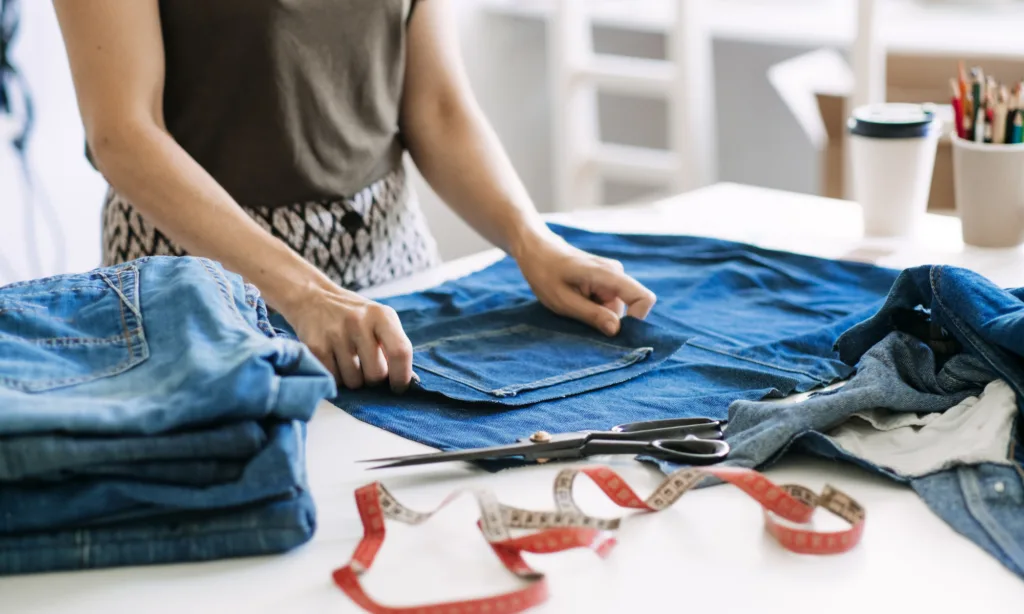
Repair and Upcycling
Mend minor damages such as loose threads or small holes.
Repurpose worn garments into new items when possible.
Donate or recycle items that are no longer usable.
Proper care ensures sustainable fabrics retain their quality, texture, and lifespan, supporting a truly conscious wardrobe.
6. GreenHato: Making Sustainable Fashion Accessible and Timeless
GreenHato exemplifies the integration of eco-friendly fabrics, ethical production, and timeless design:
Sustainable Fabrics: Organic cotton, linen, hemp, Tencel, bamboo, recycled fibers, wool, and cashmere.
Ethical Production: Transparent supply chains, fair labor practices, and minimal environmental impact.
Timeless Designs: Neutral tones, versatile silhouettes, and multi-season functionality.
Guidance for Consumers: Educates and empowers customers to make informed, responsible wardrobe choices.
By choosing GreenHato, consumers can build a wardrobe that is stylish, sustainable, and long-lasting, reflecting both personal taste and environmental responsibility.
Conclusion of Part 2
Building a timeless wardrobe with sustainable fabrics is a practical and rewarding process. By selecting core pieces, combining fabrics thoughtfully, investing in durable materials, styling with intention, and maintaining garments properly, men and women can create a wardrobe that is elegant, versatile, and conscious.
Sustainable fabrics are not just about environmental responsibility—they also enhance comfort, longevity, and personal style. Every garment becomes a statement of values, demonstrating a commitment to ethical fashion, thoughtful consumption, and timeless elegance.
GreenHato exemplifies how sustainable fabrics can be stylish, luxurious, and functional, making eco-conscious fashion accessible and aspirational. By embracing these practices, your wardrobe becomes a reflection of your values, a source of confidence, and a contribution to a healthier planet.
A timeless, sustainable wardrobe is not about limitation—it is about freedom, creativity, and intentionality. Each piece you wear tells a story of quality, responsibility, and enduring style, proving that fashion can be both beautiful and conscious.
Part 3: Embracing Sustainable Style
As we reach the final part of our exploration into sustainable fabrics, it becomes evident that building a wardrobe with eco-friendly materials is not just a conscious choice—it is a lifestyle transformation. Every garment you select has the potential to reflect your values, reduce environmental impact, and enhance your personal style. By choosing fabrics that are natural, regenerated, or recycled, you are making a deliberate commitment to timelessness, durability, and ethical responsibility.
GreenHato exemplifies this philosophy, offering collections that are crafted from sustainable materials, designed for longevity, and produced with ethical integrity. By integrating these garments into your wardrobe, you can create a cohesive, versatile, and stylish collection that stands the test of time.
The Multifaceted Benefits of a Sustainable Wardrobe
1. Environmental Stewardship
One of the most significant advantages of sustainable fabrics is their reduced ecological footprint. By prioritizing organic cotton, linen, hemp, Tencel, bamboo, or recycled fibers, you contribute to:
Reduced water consumption: Many sustainable fabrics require far less water than conventional alternatives.
Lower chemical usage: Eco-friendly production minimizes pesticides, dyes, and toxic substances, protecting soil, water, and wildlife.
Waste reduction: Durable, long-lasting garments reduce the volume of clothing that ends up in landfills, promoting circular fashion practices.
Your wardrobe becomes a tool for positive environmental change, proving that fashion can be both beautiful and responsible.
2. Ethical and Social Impact
Sustainable fabrics are often produced under fair and transparent labor practices, ensuring that workers are treated ethically and receive fair wages. Supporting these materials contributes to:
Fair employment conditions: Workers gain access to safe, dignified workplaces.
Community empowerment: Ethical fashion initiatives often invest in local communities, providing education, healthcare, and infrastructure support.
Global equity: Your choices help reduce exploitative practices that are prevalent in conventional fashion supply chains.
By embracing sustainable fabrics, your wardrobe reflects a commitment to social justice and human rights, giving each garment meaning beyond aesthetics.
3. Personal Style and Comfort
Eco-friendly fabrics are not just ethical—they are also comfortable, versatile, and stylish. Materials like linen, bamboo, Tencel, and organic cotton are soft on the skin, breathable, and adaptable to different climates. Wool and recycled fibers offer warmth and durability, making them ideal for layering and seasonal versatility. A sustainable wardrobe:
Enhances personal comfort: Breathable, hypoallergenic fabrics prevent irritation and maximize wearability.
Supports versatile styling: Timeless designs allow effortless transitions from work to casual or social settings.
Encourages mindful consumption: By choosing quality over quantity, you reduce decision fatigue and create a cohesive, functional wardrobe.
Investing in sustainable fabrics ensures that every piece you own delivers satisfaction, longevity, and a sense of responsibility.
Practical Steps to Fully Embrace Sustainable Fabrics
To create a wardrobe that is truly eco-conscious, consider the following actionable strategies:
Build a Core Collection: Focus on versatile essentials such as blazers, trousers, dresses, shirts, knitwear, and outerwear made from sustainable fabrics. These pieces form the foundation of a timeless wardrobe.
Mix Fabrics Thoughtfully: Combine textures, weights, and drapes to create outfits that are visually interesting yet cohesive. For example, layering a linen shirt under a wool sweater or pairing Tencel dresses with organic cotton blazers adds depth and versatility.
Invest in Quality and Longevity: Prioritize garments that are durable, well-constructed, and designed to last. Avoid fast fashion items that compromise ethics and environmental responsibility.
Style Intentionally: Stick to neutral palettes, timeless silhouettes, and versatile designs. Accessories such as belts, scarves, and shoes made from sustainable materials can enhance your look without adding excess items.
Care for Your Garments: Proper maintenance extends the life of your sustainable fabrics. Follow washing instructions, store garments appropriately, repair minor damages, and consider upcycling or responsibly donating items you no longer wear.
By following these steps, you can maximize the value of every garment, making your wardrobe more functional, stylish, and environmentally conscious.
GreenHato: Your Partner in Sustainable Fashion
GreenHato stands at the forefront of sustainable fashion by merging timeless design with eco-conscious materials and ethical production practices. Key aspects include:
High-Quality Sustainable Fabrics: Organic cotton, linen, hemp, Tencel, bamboo, wool, and recycled fibers.
Ethical Manufacturing: Transparent supply chains and fair labor practices.
Timeless, Versatile Designs: Neutral tones, classic silhouettes, and multifunctional pieces that last for years.
Consumer Education: Guidance and resources to help customers make informed, sustainable choices.
With GreenHato, building a sustainable wardrobe becomes accessible, stylish, and rewarding, allowing you to embody conscious fashion without compromise.
Conclusion and Call to Action
Choosing sustainable fabrics is more than a fashion decision—it is a declaration of values. Every piece crafted from eco-friendly, durable materials reflects a commitment to the planet, ethical labor, and timeless style. A wardrobe built with sustainable fabrics empowers you to look elegant, feel comfortable, and make a positive impact, demonstrating that fashion and responsibility can coexist beautifully.
Start by curating your core wardrobe with versatile, high-quality pieces. Layer thoughtfully, mix textures, and invest in garments that will last for years. Care for your sustainable fabrics, repair and maintain them, and consider responsible end-of-life options such as donation or recycling. Each choice reinforces your commitment to conscious fashion.
Explore GreenHato’s collections to discover garments that combine eco-friendly fabrics, timeless design, and ethical production. By embracing sustainable fabrics today, you are building a wardrobe that stands the test of time, expresses your values, and inspires others to make mindful fashion choices.
Fashion can be beautiful, sustainable, and meaningful. Let every garment you wear tell a story of conscious living, responsibility, and elegance. Embrace sustainable fabrics, invest in timeless style, and make a positive impact—one outfit at a time.
