
News
Sustainable Fashion: The Trend You Can’t Ignore

Sep
Part 1: Understanding Sustainable Fashion
Fashion has always been a reflection of culture, identity, and personal expression. From the intricate silhouettes of haute couture to the casual streetwear that dominates urban landscapes, clothing tells a story. But behind the threads, dyes, and textures, a less visible story unfolds—a story of environmental strain, labor exploitation, and unsustainable consumption. In recent years, the term “sustainable fashion” has emerged as more than just a buzzword; it has become a movement, a philosophy, and, for many, a moral imperative. Understanding sustainable fashion requires a deeper look at the industry, the choices we make as consumers, and the way forward for a more conscious lifestyle.
1. What is Sustainable Fashion?
At its core, sustainable fashion is about making clothing in ways that respect both people and the planet. Unlike fast fashion, which prioritizes speed, volume, and low cost often at the expense of ethics and environment, sustainable fashion considers the entire lifecycle of a garment—from design, sourcing, and production to retail, usage, and eventual disposal or recycling.
Sustainable fashion is not limited to eco-friendly fabrics or recycled materials; it encompasses ethical labor practices, fair wages, transparent supply chains, minimal environmental footprint, and designs that endure beyond fleeting trends. The essence of sustainability lies in quality over quantity, timeless design over fast trends, and conscious consumerism over impulsive buying.
GreenHato embodies this philosophy by offering clothing that is elegant, versatile, and responsibly produced, reflecting a balance between contemporary style and environmental consciousness. Every piece tells a story of careful design, thoughtful material choice, and respect for the planet.
2. The Environmental Impact of Conventional Fashion
To appreciate the importance of sustainable fashion, it’s essential to understand the environmental cost of conventional clothing. The fast fashion industry, characterized by rapid production cycles and low-cost garments, is one of the most resource-intensive sectors in the world.
Water Usage
Producing a single cotton shirt can consume up to 2,700 liters of water, roughly equivalent to what one person drinks over two and a half years. Cotton farming often involves heavy pesticide use, contaminating soil and waterways, which harms ecosystems and local communities. Beyond cotton, synthetic fabrics such as polyester, derived from petroleum, also demand energy-intensive production processes and contribute to microplastic pollution when washed.
Carbon Emissions
The fashion industry is a significant contributor to global greenhouse gas emissions, accounting for approximately 10% of total emissions. The carbon footprint includes emissions from fabric production, manufacturing, transportation, and retail. Fast fashion’s emphasis on cheap, mass-produced clothing encourages excessive consumption, magnifying the industry’s environmental impact.
Waste and Landfill Crisis
Globally, millions of tons of clothing end up in landfills each year. In the United States alone, around 17 million tons of textile waste is generated annually. Many garments are non-biodegradable, especially those made from synthetic fibers, lingering in the environment for decades. Sustainable fashion challenges this cycle by emphasizing durable, multi-season pieces and promoting recycling, upcycling, and responsible disposal.
Chemical Pollution
Textile dyeing and finishing processes introduce toxic chemicals into rivers and soil. Heavy metals, azo dyes, and other hazardous substances used in conventional manufacturing can contaminate water sources, affecting both human populations and aquatic life. Brands like GreenHato prioritize non-toxic dyes and eco-friendly finishing techniques, reducing chemical footprints while maintaining aesthetic quality.
3. Social and Ethical Considerations
Sustainability is not only about protecting the planet—it’s also about honoring human rights and labor ethics. The fashion industry is notorious for poor working conditions, low wages, and exploitative practices, particularly in developing countries where most manufacturing occurs.
Fair Wages and Safe Working Conditions
Many garment workers face unsafe environments, long hours, and insufficient pay. Ethical brands implement strict labor standards, ensuring that every person involved in the production chain is treated with dignity. This includes living wages, safe workplaces, and empowerment initiatives.
Transparency and Supply Chains
Consumers today are increasingly concerned about where their clothes come from. Sustainable brands are transparent about their sourcing, production processes, and materials. GreenHato exemplifies this by providing insight into each step of garment creation, from responsibly sourced fabrics to ethical manufacturing practices. Such transparency builds trust and loyalty while encouraging more conscious purchasing decisions.
Community and Craftsmanship
Sustainable fashion often supports local artisans, traditional craftsmanship, and small-scale manufacturing. By valuing skill and heritage, brands like GreenHato preserve cultural knowledge, create meaningful employment, and enhance product quality. Each garment becomes more than just clothing—it’s a testament to human creativity and ethical practice.
4. Consumer Awareness and Lifestyle Shift
One of the most profound changes driving sustainable fashion is the shift in consumer consciousness. Today’s shoppers are more informed and deliberate in their choices, seeking long-lasting quality, ethical production, and environmental responsibility.
From Quantity to Quality
The old model of “buy more, discard quickly” is losing appeal. Consumers now appreciate investment pieces, items that transcend seasons, and designs that offer versatility. GreenHato’s collections reflect this philosophy, with timeless silhouettes, premium fabrics, and multi-functional designs suitable for both work and leisure.
Mindful Consumption
Sustainable fashion encourages people to consider the entire lifecycle of a garment. This includes how clothes are cared for, repaired, and eventually recycled. By reducing unnecessary purchases, extending the life of clothing, and choosing eco-conscious brands, consumers actively reduce their personal environmental footprint.
Cultural Influence
Social media and global awareness campaigns have amplified the conversation around sustainability. Influencers, designers, and ethical fashion advocates are showing that eco-conscious choices can coexist with style, sophistication, and personal expression. The rise of sustainable fashion is thus as much a cultural movement as it is an environmental imperative.
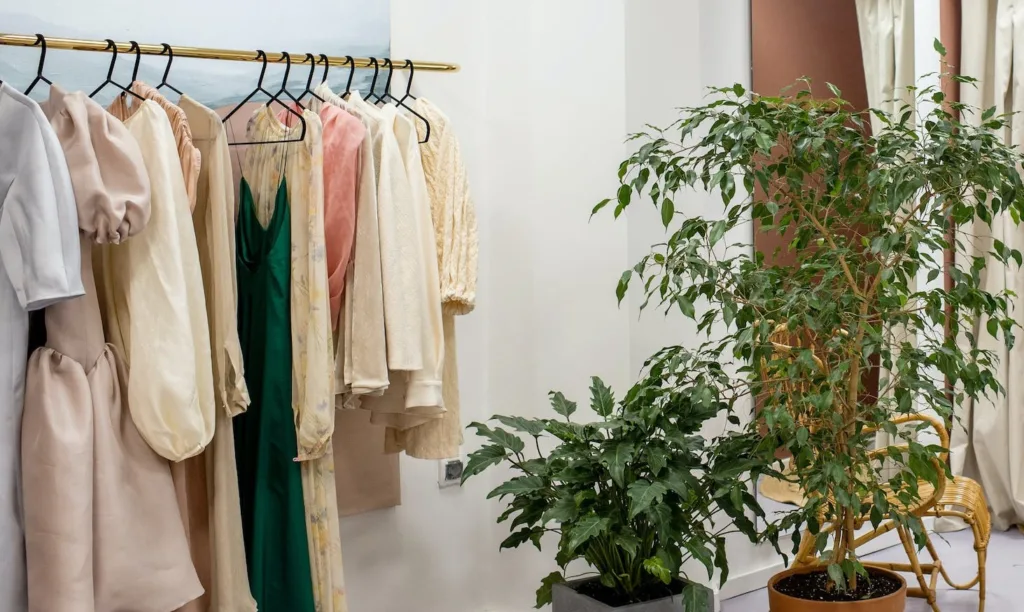
5. How GreenHato Embodies Sustainability
GreenHato is more than just a clothing brand; it is a lifestyle philosophy. Each collection is curated with the principles of sustainability, quality, and timeless design at its heart.
Responsibly Sourced Fabrics
GreenHato carefully selects fabrics that minimize environmental harm. Organic cotton, recycled fibers, and sustainably harvested materials reduce chemical use, water consumption, and energy expenditure. The focus on premium, durable materials ensures longevity, countering the disposable nature of fast fashion.
Timeless Design Philosophy
Rather than chasing fleeting trends, GreenHato emphasizes classic styles with contemporary touches, allowing garments to remain relevant across seasons. This approach encourages consumers to invest in pieces they will love for years, reducing waste and promoting thoughtful consumption.
Ethical Production
Every item in GreenHato’s collection is produced under fair labor practices, prioritizing safe working conditions and fair compensation. By maintaining transparent supply chains, GreenHato allows customers to make informed choices and feel confident about their purchase.
Community and Conscious Lifestyle
GreenHato also fosters a community of like-minded individuals who value style, comfort, and responsibility. Through engaging storytelling, curated content, and lifestyle inspiration, the brand reinforces the idea that fashion can be an expression of personal values as much as aesthetic taste.
Conclusion of Part 1
Understanding sustainable fashion is about more than knowing which fabrics are eco-friendly—it’s about embracing a mindset that respects people, planet, and timeless style. The environmental and social consequences of conventional fashion make sustainable alternatives not just desirable but essential.
GreenHato exemplifies how brands can merge elegance with ethics, proving that responsible fashion does not mean compromising on style. By choosing sustainable clothing, consumers are not only making a personal statement—they are participating in a movement that protects our planet, honors workers, and elevates fashion to a form of conscious living.
The journey toward sustainable fashion is ongoing, and it requires awareness, intention, and action. As we explore further, Part 2 will delve into practical steps, tips, and strategies for integrating sustainable fashion into your everyday wardrobe, empowering readers to make choices that are both stylish and responsible.
Part 2: How to Embrace Sustainable Fashion in Everyday Life
Having understood the significance of sustainable fashion in Part 1, it’s time to move from awareness to action. Sustainable fashion is not just a concept to admire from afar—it’s a lifestyle that can be seamlessly integrated into everyday wardrobe choices. Making conscious decisions about clothing allows individuals to look stylish while reducing environmental impact and supporting ethical practices. In this section, we’ll explore practical strategies, tips, and mindset shifts that help incorporate sustainable fashion into your daily life, using insights from GreenHato’s philosophy and collections.
1. Curate a Timeless Wardrobe
The foundation of sustainable fashion lies in building a wardrobe that emphasizes quality, versatility, and longevity. Instead of chasing seasonal trends or buying cheap, disposable items, focus on investment pieces that can withstand time, both in style and durability.
Identify Core Pieces
A timeless wardrobe includes essentials that form the backbone of daily dressing:
For women: a well-fitted blazer, a minimalist dress, classic trousers, versatile blouses, and comfortable outerwear.
For men: a tailored blazer, crisp shirts, high-quality chinos, timeless knitwear, and versatile jackets.
GreenHato’s collections offer these types of garments, blending classic design with modern touches, enabling seamless transitions from professional settings to casual outings. These pieces are multi-functional, reducing the need to constantly buy new clothes.
Emphasize Quality Over Quantity
Investing in fewer, high-quality garments may seem costlier upfront, but it reduces long-term spending and environmental impact. Durable fabrics, precise tailoring, and thoughtful design result in items that last longer, resist wear and tear, and maintain their appearance over years. GreenHato’s products are crafted with this principle, offering timeless pieces that justify investment.
Versatility is Key
Select items that can be mixed and matched across multiple outfits. A single blazer can be worn with trousers for work, paired with jeans for weekend outings, or layered over a dress for a night event. Versatility reduces the number of garments you need while maximizing outfit options.
2. Choose Sustainable Fabrics
The materials that make up clothing have a significant impact on the environment. Opting for eco-friendly fabrics is a direct way to align your wardrobe with sustainable practices.
Organic and Natural Fibers
Fabrics like organic cotton, linen, hemp, and bamboo are cultivated with minimal chemical use, conserving water and promoting soil health. They are biodegradable, breathable, and comfortable for daily wear. GreenHato integrates these fabrics into many collections, ensuring softness, durability, and environmental responsibility.
Recycled Materials
Recycling fibers from pre- and post-consumer waste helps divert textiles from landfills and reduces the need for virgin resources. Items made from recycled polyester or blends retain performance while minimizing ecological damage. GreenHato’s commitment to using responsibly sourced and recycled materials demonstrates how luxury and sustainability can coexist.
Low-Impact Dyeing
Dyes and finishing processes often involve toxic chemicals, which harm ecosystems. Choosing garments dyed with low-impact, non-toxic methods minimizes pollution while maintaining vibrant colors. Brands like GreenHato prioritize such techniques, merging aesthetics with ethics.
3. Embrace Minimalism and Conscious Shopping
Sustainable fashion thrives on intentional consumption. A minimalist approach emphasizes buying fewer, meaningful items rather than succumbing to fast fashion impulses.
Audit Your Current Wardrobe
Start by assessing what you already own. Identify pieces you wear frequently and those that remain untouched. Donate, recycle, or upcycle items you no longer need. This process reduces clutter and clarifies your personal style, making future purchases more deliberate.
Buy Less, Choose Well
When adding new items, ask:
Will I wear this often?
Does it match multiple outfits?
Is it made from sustainable materials?
GreenHato’s design philosophy supports this mindset. Their garments are carefully curated, ensuring each piece is multifunctional and ethically made, encouraging thoughtful wardrobe expansion.
Prioritize Functionality
Clothing should serve your lifestyle needs. Functional designs—such as jackets with removable liners, dresses suitable for both work and leisure, or versatile shoes—reduce the need for multiple single-purpose items. Sustainable fashion is not just eco-conscious; it’s practical and convenient.
4. Care for Your Clothes
Proper care extends the life of garments, reducing waste and consumption. Sustainable fashion is not only about what you buy but how you maintain it.
Follow Care Instructions
Always adhere to washing, drying, and ironing guidelines. Overwashing or using harsh detergents can deteriorate fabrics faster. GreenHato provides guidance for garment care, ensuring longevity without compromising style.
Repair and Alter
Instead of discarding damaged items, repair small tears, replace buttons, or adjust fit through tailoring. This not only saves money but also reduces textile waste. Learning basic sewing skills is a small investment with lasting impact.
Rotate and Store Wisely
Give garments time to rest between wears. Proper storage—hanging coats, folding knits, and using breathable garment bags—prevents unnecessary wear and preserves shape.
Eco-Friendly Cleaning
Consider washing clothes in cold water, air-drying when possible, and using eco-friendly detergents. Reducing energy consumption and chemical runoff aligns with sustainable principles.

5. Support Ethical Brands
The brands you choose send a powerful message. Supporting companies committed to sustainability, ethical production, and transparency reinforces positive industry change.
Research and Transparency
Look for brands that openly share information about sourcing, manufacturing, and labor practices. Transparency is a hallmark of ethical fashion, fostering consumer trust and accountability.
Ethical Certifications
Labels such as Fair Trade, GOTS (Global Organic Textile Standard), or OEKO-TEX indicate adherence to environmental and social standards. Brands like GreenHato integrate these principles organically, offering consumers confidence and peace of mind with every purchase.
Community and Lifestyle Alignment
Engage with brands that align with your values. Sustainable fashion is more than clothing—it’s a cultural and lifestyle choice. GreenHato cultivates a community of conscious consumers, inspiring individuals to embrace style without compromising ethics.
6. Mindful Consumer Habits
Beyond wardrobe curation, sustainable fashion involves mindful daily habits that reduce environmental and social impact.
Capsule Wardrobes
A capsule wardrobe is a limited, versatile collection of essential items that can be combined in multiple ways. By focusing on quality and compatibility, it reduces overconsumption and encourages intentional style choices.
Second-Hand and Vintage
Exploring second-hand markets or vintage shops reduces demand for new production, keeps textiles in circulation, and often provides unique, one-of-a-kind pieces. Even luxury and designer items can be sustainably sourced in this way.
Swap and Share
Clothing swaps with friends or community groups are both fun and eco-friendly. They offer a way to refresh your wardrobe without purchasing new items, fostering social connections while reducing waste.
Digital Tools and Apps
Technology now supports sustainable fashion. Apps that track wardrobe usage, suggest outfit combinations, or facilitate resale and rental help consumers make more conscious decisions.
7. Fashion as a Statement of Values
Sustainable fashion is not just about environmental or ethical considerations—it’s a personal expression of values. Every clothing choice communicates what you care about, who you are, and how you relate to the world.
Style with a Purpose
Wearing sustainable garments like those from GreenHato reflects a commitment to quality, timeless design, and ethical production. Your wardrobe becomes a platform for advocacy, showing that fashion can be beautiful, functional, and responsible.
Influence Through Choices
Conscious consumer behavior inspires others. Friends, family, and colleagues notice ethical choices and may adopt similar habits. Fashion becomes a tool for cultural and social change, where style meets advocacy.
Confidence and Conscious Living
Choosing sustainable fashion boosts confidence, satisfaction, and alignment with personal values. When clothing resonates with both aesthetics and ethics, it enhances the overall sense of wellbeing, making fashion a holistic experience rather than a mere commodity.
8. How GreenHato Facilitates Everyday Sustainable Fashion
GreenHato serves as a bridge between style and sustainability, providing practical, accessible solutions for those looking to integrate conscious fashion into daily life.
Curated Collections
Each collection is thoughtfully designed with versatility, timelessness, and eco-conscious materials. Customers can easily build wardrobes that are stylish, functional, and sustainable.
Educational Content
Through blogs, social media, and customer engagement, GreenHato shares tips, insights, and stories about sustainable living, garment care, and responsible shopping. This guidance empowers consumers to make informed decisions.
Community Engagement
GreenHato fosters a sense of belonging among like-minded fashion enthusiasts. Through events, collaborations, and online discussions, the brand creates a community that celebrates conscious living and elevated style.
Seamless Experience
From a user-friendly online shopping platform to nationwide delivery and customer support, GreenHato makes sustainable fashion accessible, convenient, and enjoyable, removing common barriers for conscious consumers.

Conclusion of Part 2
Sustainable fashion is not a distant ideal—it is a practical, achievable, and rewarding lifestyle. By curating a timeless wardrobe, choosing eco-friendly fabrics, embracing minimalism, caring for garments, supporting ethical brands, and practicing mindful consumption, individuals can make a meaningful impact on the planet and society.
GreenHato exemplifies how style, ethics, and sustainability can coexist harmoniously. Its commitment to responsible production, timeless design, and community engagement demonstrates that fashion can be both luxurious and conscientious.
Incorporating sustainable fashion into everyday life is an empowering choice. It allows individuals to express personal style, uphold ethical values, and participate in a global movement toward a healthier planet and fairer industry. By embracing this approach, every wardrobe becomes a statement of responsibility, creativity, and timeless elegance—a true reflection of the philosophy that GreenHato embodies.
Part 3: Taking Action and Embracing Conscious Style
Sustainable fashion is more than a trend—it is a commitment to thoughtful living, ethical choices, and enduring style. Throughout this journey, we’ve explored the environmental impacts of conventional fashion, the social and ethical responsibilities of the industry, and practical ways to integrate sustainability into everyday life. Now, the next step is action, transforming awareness into a lifestyle that celebrates both elegance and responsibility.
The choices we make as consumers have a profound impact. Every garment purchased from an ethical, sustainable brand reduces demand for fast fashion, conserves resources, and supports fair labor practices. By curating a wardrobe with timeless, versatile pieces, investing in high-quality fabrics, and caring for clothing properly, we extend the lifespan of each item while making a positive contribution to the planet.
GreenHato embodies the intersection of style, quality, and sustainability. Each collection is thoughtfully designed to enhance personal expression while maintaining a minimal environmental footprint. From responsibly sourced fabrics to ethical production practices, GreenHato empowers customers to look sophisticated without compromising their values. By choosing garments that are both elegant and conscious, individuals align their wardrobes with their beliefs, turning fashion into a powerful statement of responsibility and personal taste.
Sustainable fashion also invites us to rethink our relationship with clothing. It encourages us to embrace minimalism, prioritize quality over quantity, and view each item as an investment rather than a disposable commodity. Engaging in practices like clothing swaps, shopping second-hand, or repairing and maintaining garments transforms fashion into a more meaningful and mindful activity.
Ultimately, adopting sustainable fashion is about making every choice intentional—from the brands we support to the care we provide for our clothes. GreenHato makes this journey seamless, offering versatile, timeless, and ethically made garments that allow customers to express style confidently while supporting a better world.
By embracing sustainable fashion today, we are not only investing in our wardrobes but also in the planet, future generations, and a culture of conscious living. Start small, make informed choices, and let your wardrobe reflect a commitment to both beauty and responsibility. The future of fashion is sustainable—and it begins with you.
